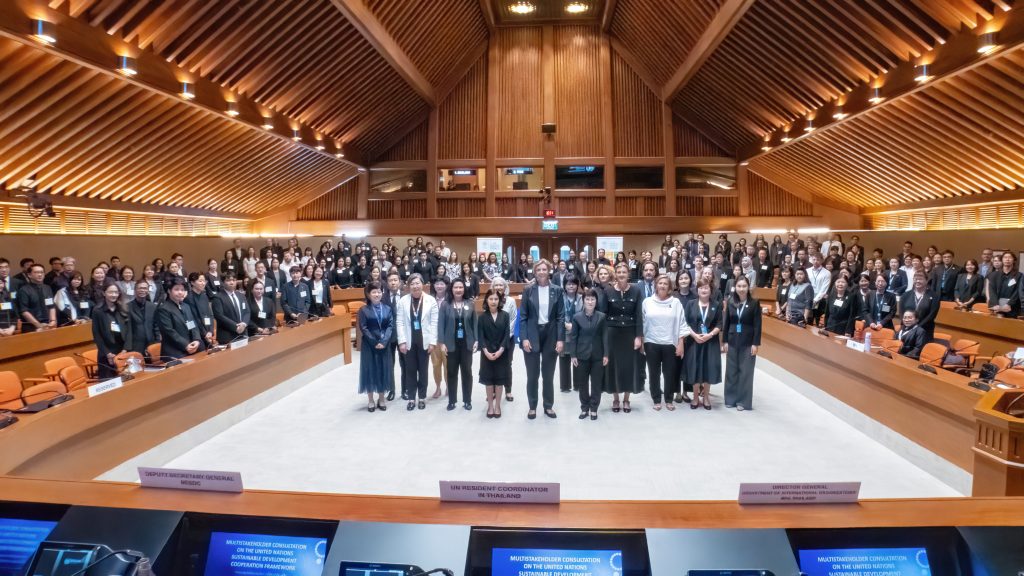
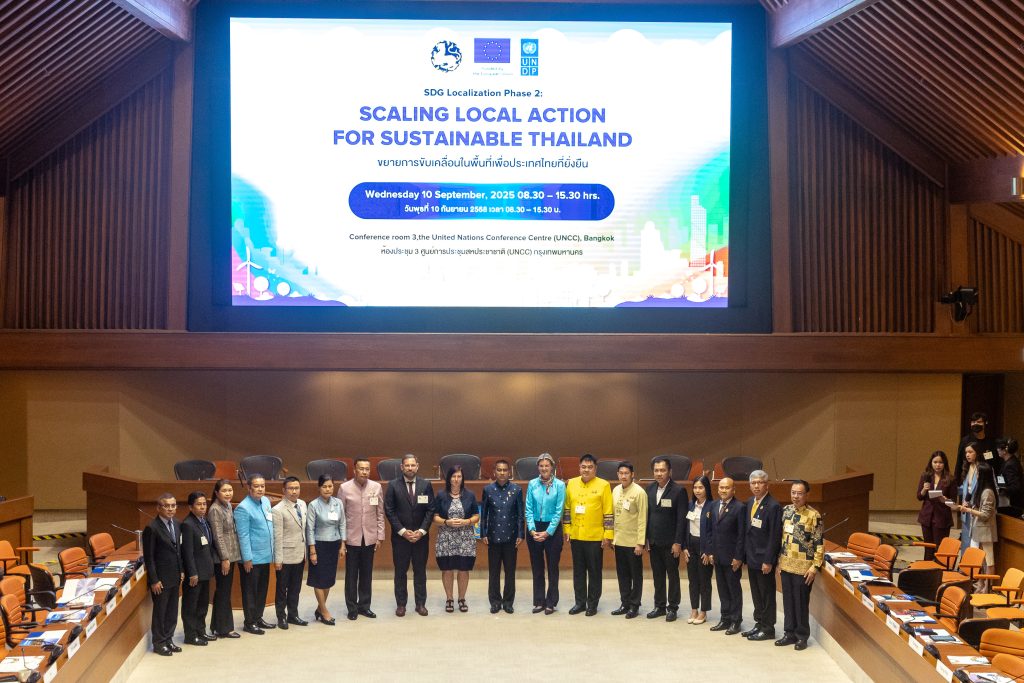
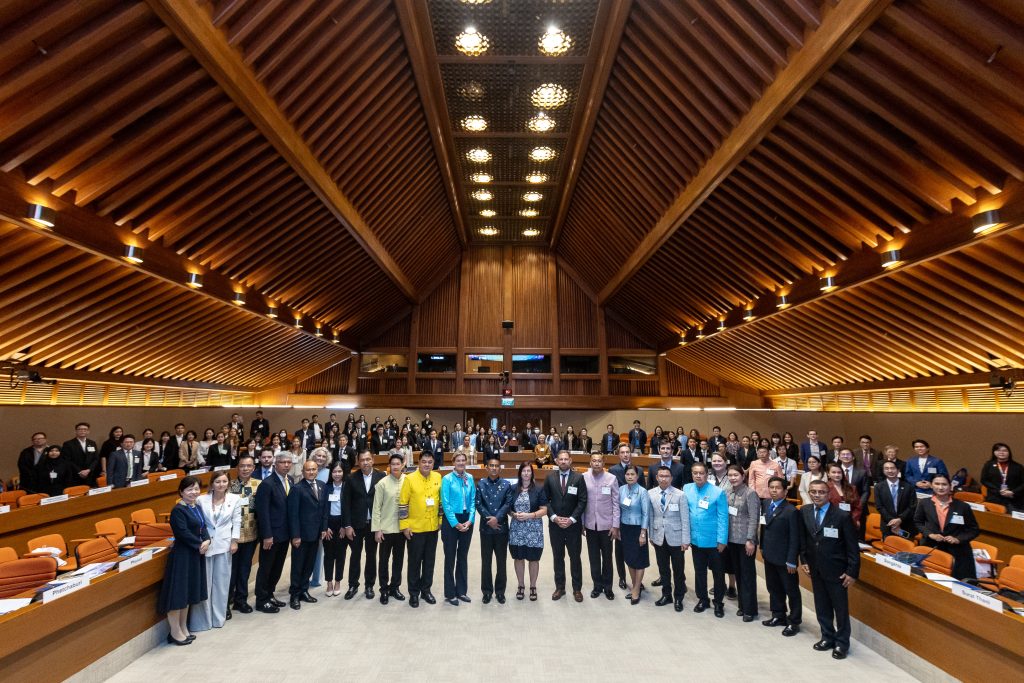
On September 10, 2025, the European Union and the United Nations Development Programme (UNDP) and the European Union, in collaboration with the Ministry of Interior, launched the Strengthening SDGs Localization Project Phase 2 (SDGs Localization Phase 2: SDGs-L 2.0) at the United Nations Conference Centre (UNCC) in Bangkok. The event was attended by Ms. Niamh Collier-Smith, UNDP Resident Representative for Thailand, Mr. Santithorn Yimlamai, Deputy Permanent Secretary of the Ministry of Interior, and Ms. Sara Rezoagli, Chargé d’Affaires of the European Union to Thailand, along with representatives from pilot provinces in the SDGs Localization Phase 2 project, government agencies, the UN Country Team in Thailand, and relevant stakeholders to exchange knowledge and experiences related to driving sustainable development.
The SDGs-L project emerged from UNDP’s recognition of the world’s changing challenges in climate and digital transformation, leading to an awareness of the importance of driving sustainable development at the local level, not just at the national level. Such efforts require cooperation from all sectors including government, private sector, and civil society. Previously, Phase 1 (SDGs-L 1.0) was implemented, which collected data and strengthened the capacity of provincial-level agencies through the development of SDGs Profiles in 15 provinces. Additionally, Phase 1.5 (SDGs-L 1.5) was conducted to use SDGs Profiles as models for other provinces to develop their own profiles, while also emphasizing financial assessment, climate change, and pollution evaluation.
The SDGs-L implementation in Phase 2 (SDGs-L 2.0) emphasizes accelerating efforts to achieve SDGs through 3 main pillars: Go Deep – selecting provinces for in-depth study and as models for other provinces, Go Broad – applying analytical tools as guidelines for developing SDGs Profiles to expand to other provinces, and Go Mass – opening new opportunities at the local level.
At the event, NESDC representatives presented an overview of Thailand’s sustainable development implementation, assessment of trends in achieving SDGs in Thailand, and key challenges requiring attention from the Trend-to-Target assessment, including Goal 8 Decent Work and Economic Growth, Goal 15 Life on Land, and Goal 17 Partnerships for Sustainable Development. They also presented solutions through developing financial assistance plans aligned with Thailand’s potential and context, enhancing Gross Domestic Product, improving resource efficiency, and upgrading tax systems and budget allocation for better quality.
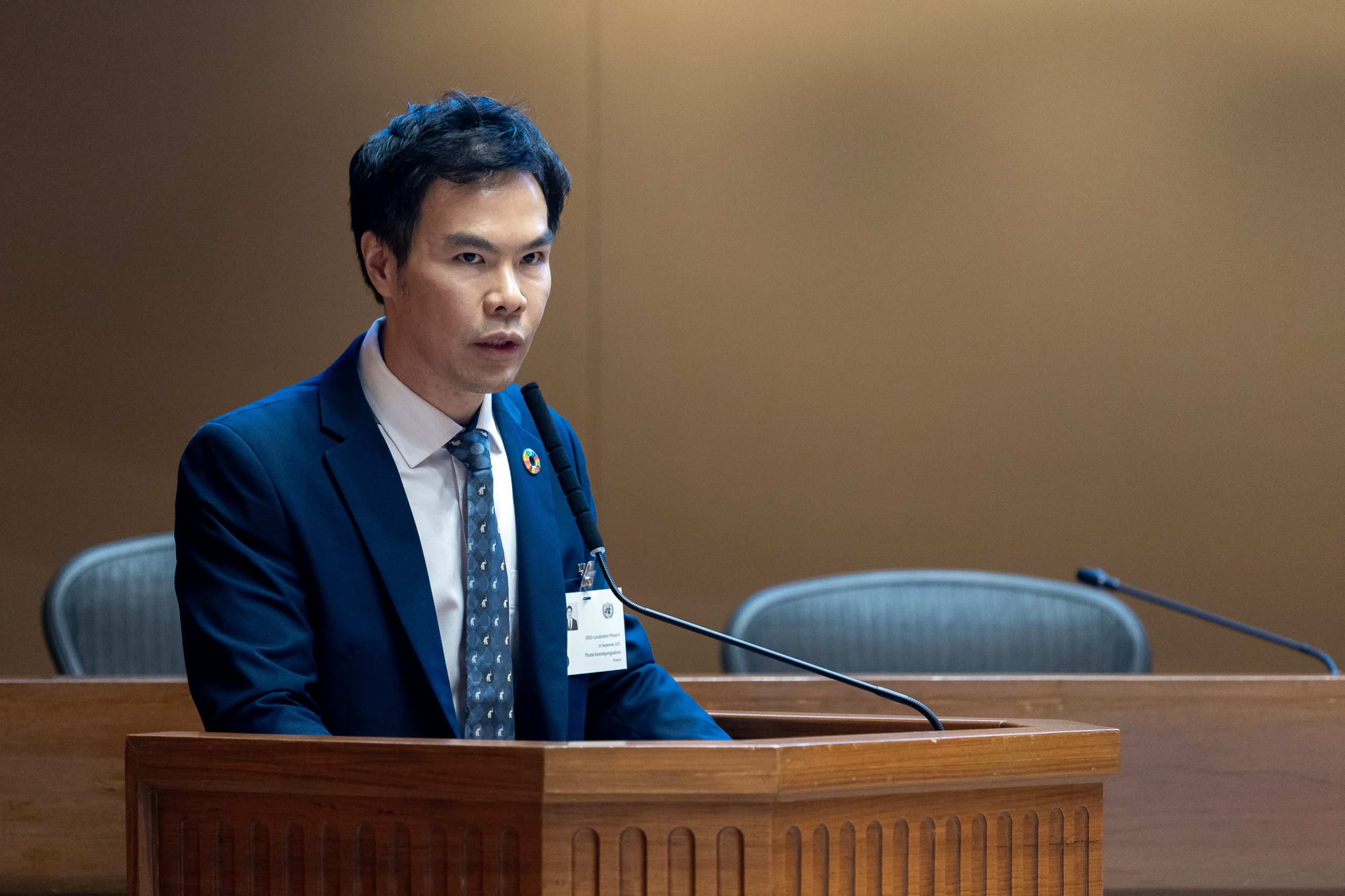
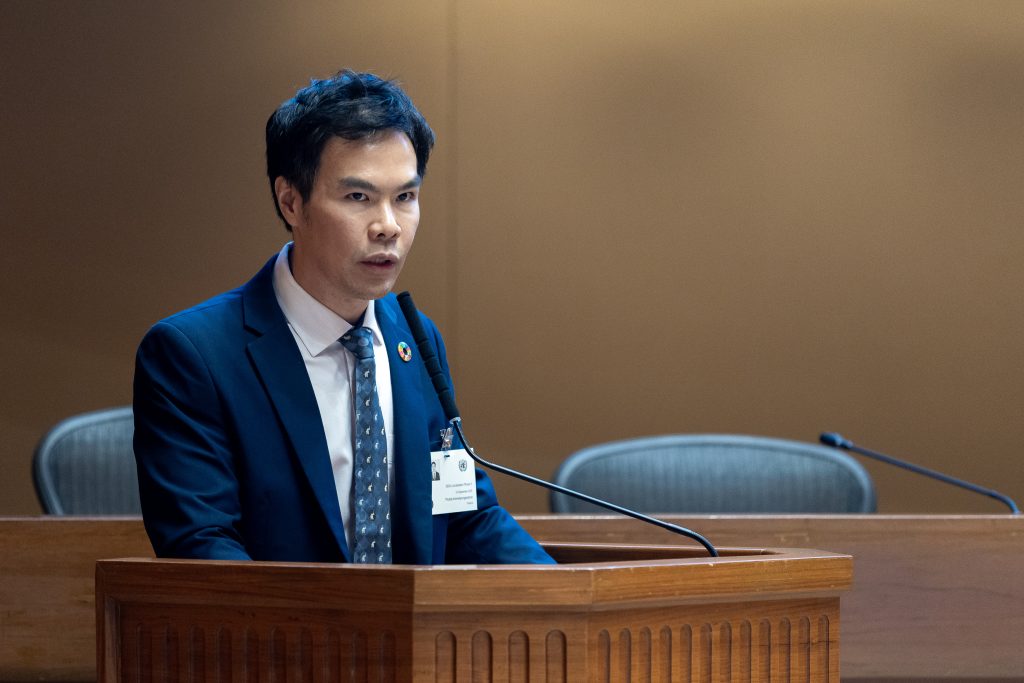
During the high-level panel discussion on “Data × Policy × Investment × People: The Future of SDG Implementation at Provincial and Local Levels,” Ms. Duangpon Darongsuwan, Senior Diplomat (Advisor) at the Ministry of Foreign Affairs, discussed the benefits of developing SDGs Profiles in identifying priority areas for acceleration and specific challenges for each province. Asst. Prof. Dr.Chol Bunnag Director of the SDG Research and Support Center (SDG Move) suggested that Thailand should apply SDGs data for practical benefits through developing central databases and local-level data. Asst. Prof. Dr. Poon Thiengburanathum, Deputy Director for Planning and Organizational Strategy at the Local Development Fund Management Office (LDFO), presented the importance of SDGs data in enhancing capacity and promoting local investment, and Dr. Anuk Serechetapongs Development Economist at UNDP Thailand, stated that data is a crucial factor in determining investment direction. Therefore, SDGs data collection is extremely important, especially for the private sector that needs to see clear results to support decision-making and build confidence in investments aligned with sustainable development.
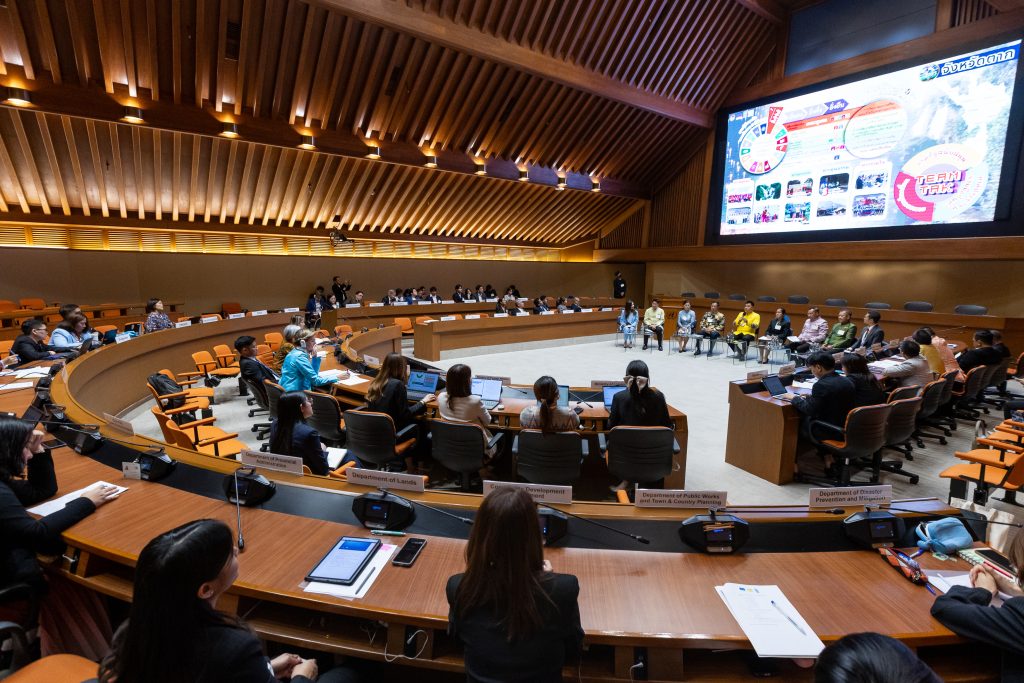
To make SDGs implementation more effective and raise awareness, representatives from 7 pilot provinces developing SDGs Profiles – Chiang Mai, Chiang Rai, Tak, Narathiwat, Nong Khai, Rayong, and Sa Kaeo – shared experiences and identified challenges in SDGs implementation, such as Chiang Mai’s pollution problems, Chiang Rai’s education system development issues, Tak and Narathiwat remaining trapped in poverty, Nong Khai’s data categorization problems, Sa Kaeo’s security issues, and Rayong’s large floating population. However, provincial representatives presented concepts for promoting SDGs implementation in the next phase, focusing on integrating provincial development plans as key mechanisms for driving local development in economic, social, and environmental aspects, alongside promoting participation from all provincial sectors to drive sustainable development. Additionally, representatives from other civil society groups presented opinions on developing more effective SDGs implementation. The Rainbowsky Association of Thailand presented issues of care and protection for vulnerable groups to ensure equal access to human rights, which will be an important foundation for achieving other SDGs goals. The Association of Persons with Disabilities Thailand that disability is not an obstacle to participating in national development if appropriate opportunities and support are provided. Executive Director and Founder Foundation for Older Person’s Development presented community capacity development for self-reliance and strength, and youth groups presented issues about enhancing youth participation, noting that if youth are given appropriate roles and support, they will be an important driving force for sustainable national development.
Additional information about SDGs Profile: https://www.undp.org/thailand/publications/sdg-profiles-15-pilot-provinces-thailand
Strategy and International Cooperation Coordination Division
Office of the National Economic and Social Development Council
Related Documents