Background and Significance

Sustainable Development is an approach to development that meets the needs of the present generation without compromising the ability to meet the needs of future generations (Brundtland Report, 1987). Achieving sustainable development comprises three key components: economic growth, social inclusion, and environmental protection.
At the 70th Session of the United Nations General Assembly on September 25, 2015, at the United Nations Headquarters, Thailand and 193 UN member countries jointly signed and endorsed the 2030 Agenda for Sustainable Development, which serves as a global development framework for achieving sustainable social, economic, and environmental development, leaving no one behind by 2030. The agenda establishes the Sustainable Development Goals (SDGs) as guidelines for countries to implement collectively.
The 17 Sustainable Development Goals (SDGs) comprise 169 targets that are universal, interconnected, and mutually reinforcing, with 248 indicators established to monitor and evaluate development progress.

The SDGs can be grouped according to interconnected factors into 5 dimensions (5P):
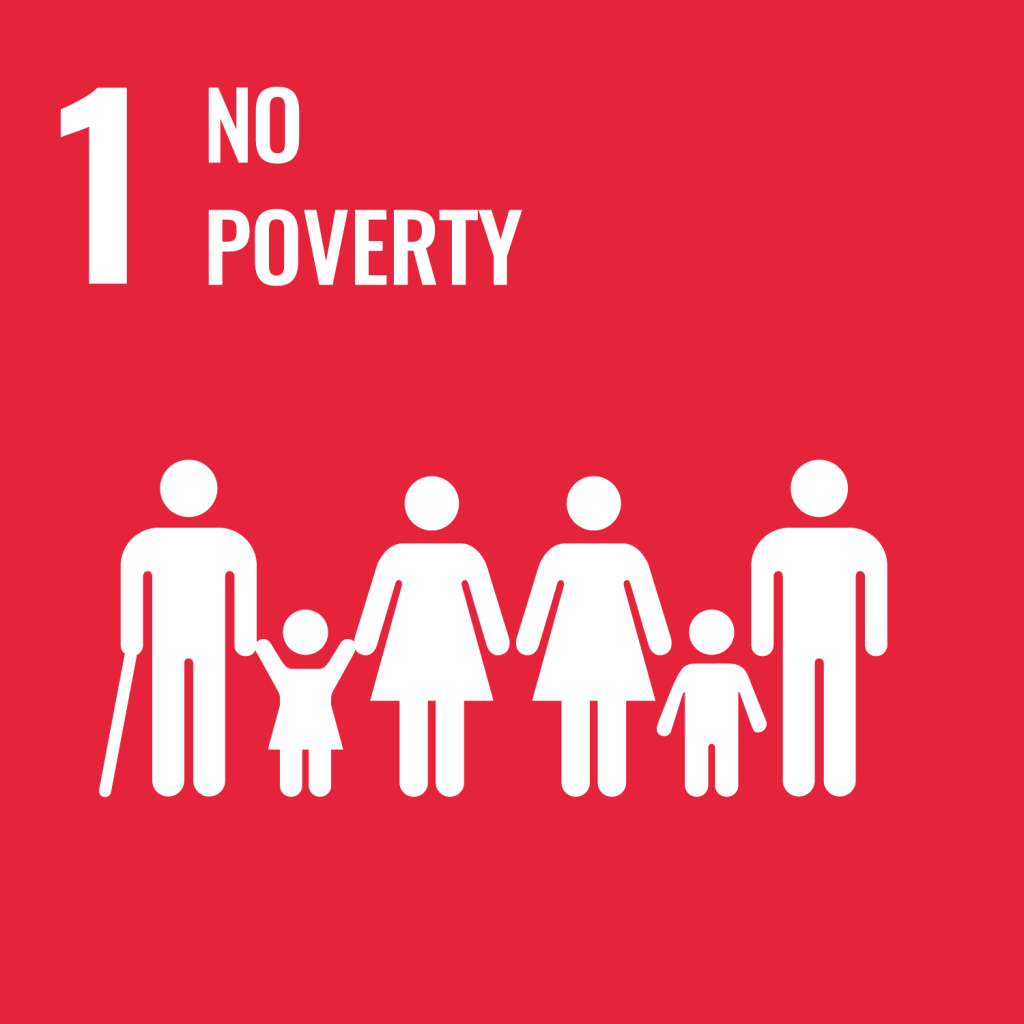
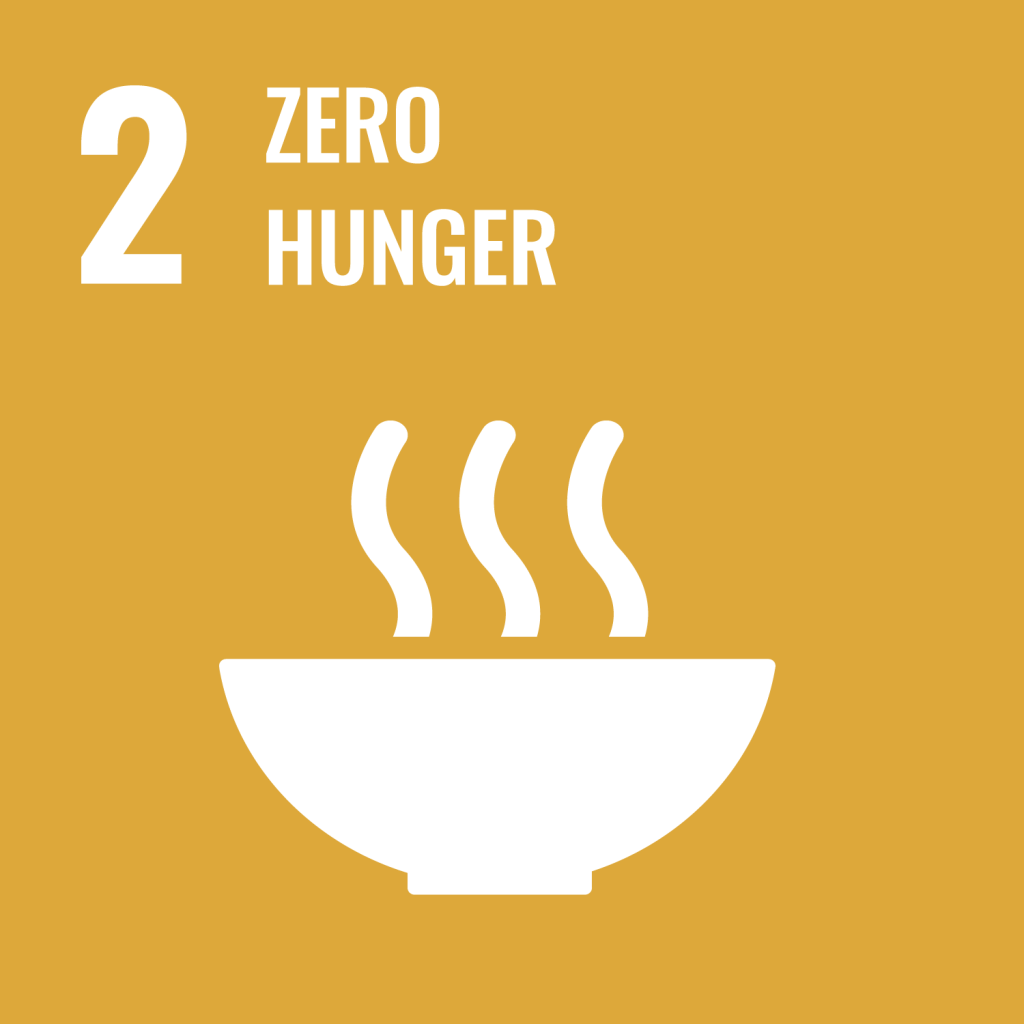
1. People: Emphasizes eliminating poverty and hunger and reducing inequality in society.
2. Planet: Focuses on protecting and preserving natural resources and climate for future global citizens.
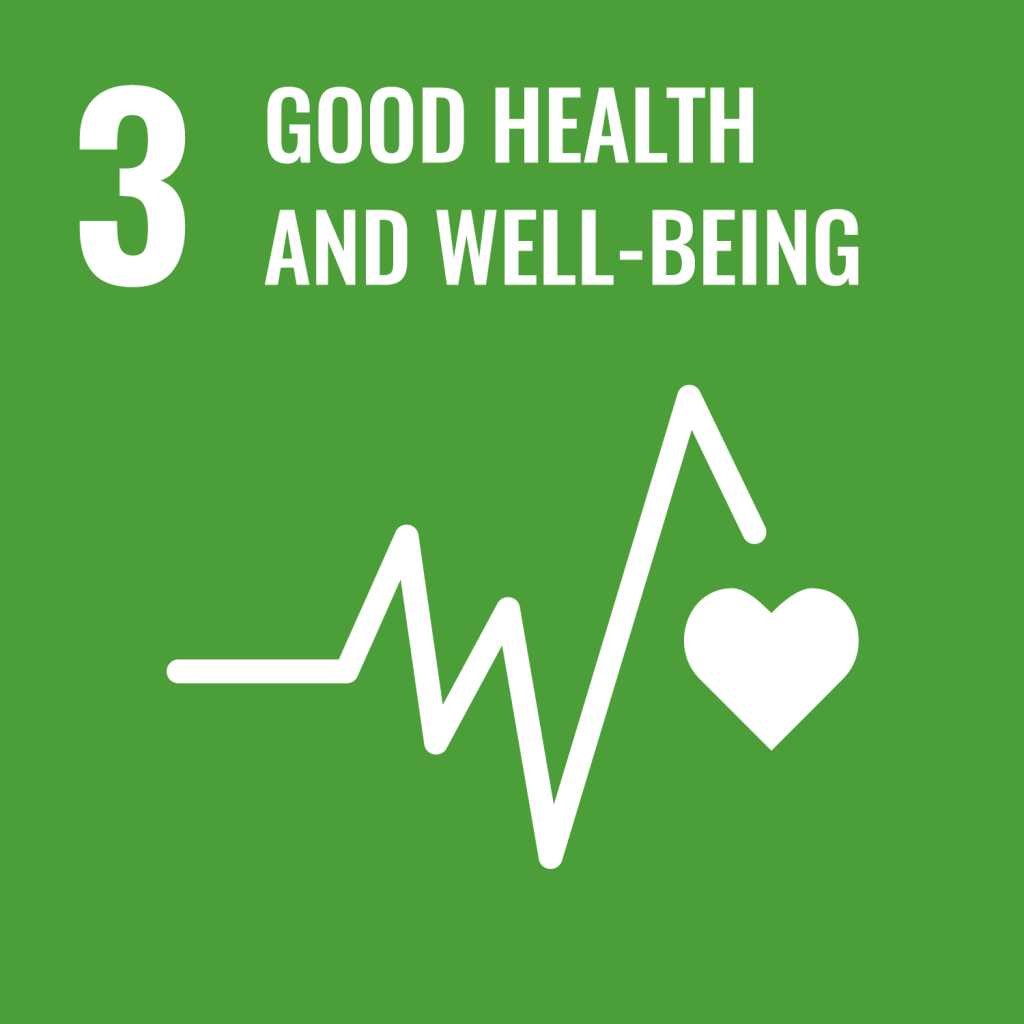
3. Prosperity: Promotes people’s well-being in harmony with nature.
4. Peace: Upholds the principle of peaceful coexistence, fostering a peaceful and inclusive society.
5. Partnership: Cooperation among all sectors in driving the sustainable development agenda.
Thailand’s SDG Roadmap
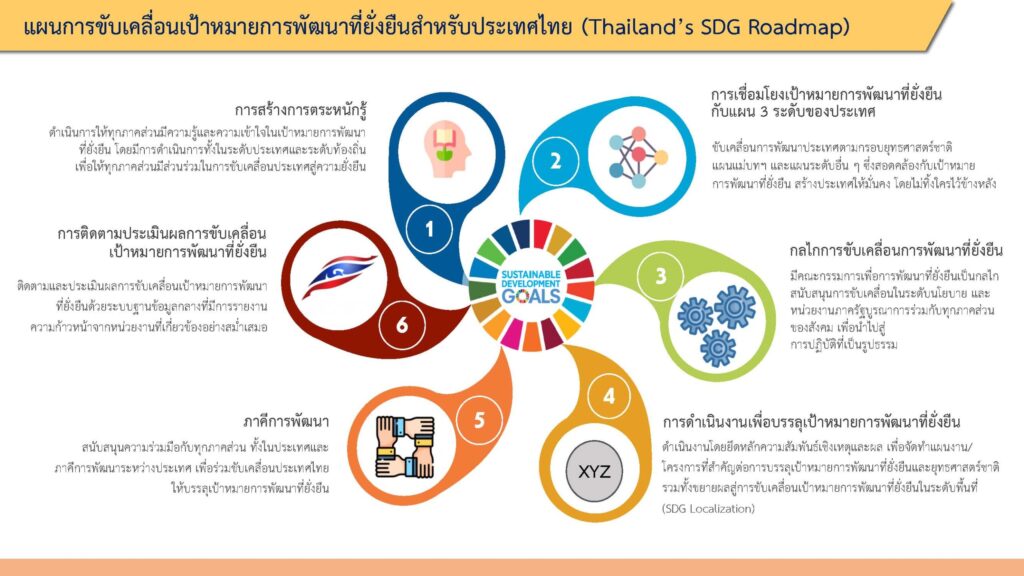
The Committee for Sustainable Development (CSD) at its 1st meeting of 2019 on December 19, 2019, approved the principles of the draft Thailand’s SDG Roadmap, which covers six main areas of implementation:
1. Awareness Building
Ensuring all sectors have knowledge and understanding of the Sustainable Development Goals through implementation at both national and local levels, enabling all sectors to participate in driving the country toward sustainability.
2. Linking Sustainable Development Goals with the Country’s Three-Level Plans
Driving national development according to the National Strategy framework, Master Plans under the National Strategy, and other level plans that align with the Sustainable Development Goals to build a secure nation, leaving no one behind.
3. Sustainable Development Implementation Mechanism
Establishing the Committee for Sustainable Development as a mechanism to support policy-level implementation, with government agencies integrating with all sectors of society to achieve concrete implementation.
4. Operations to Achieve Sustainable Development Goals
Operating based on causal relationship principles to develop programs/projects essential for achieving the Sustainable Development Goals and National Strategy, including expanding results to drive Sustainable Development Goals at the local level (SDG Localization).
5. Development Partners
Supporting cooperation with all sectors, both domestic and international development partners, to jointly drive Thailand toward achieving the Sustainable Development Goals.
6. Monitoring and Evaluation of Sustainable Development Goals Implementation
Monitoring and evaluating the implementation of Sustainable Development Goals through a central database system with regular progress reporting from relevant agencies.