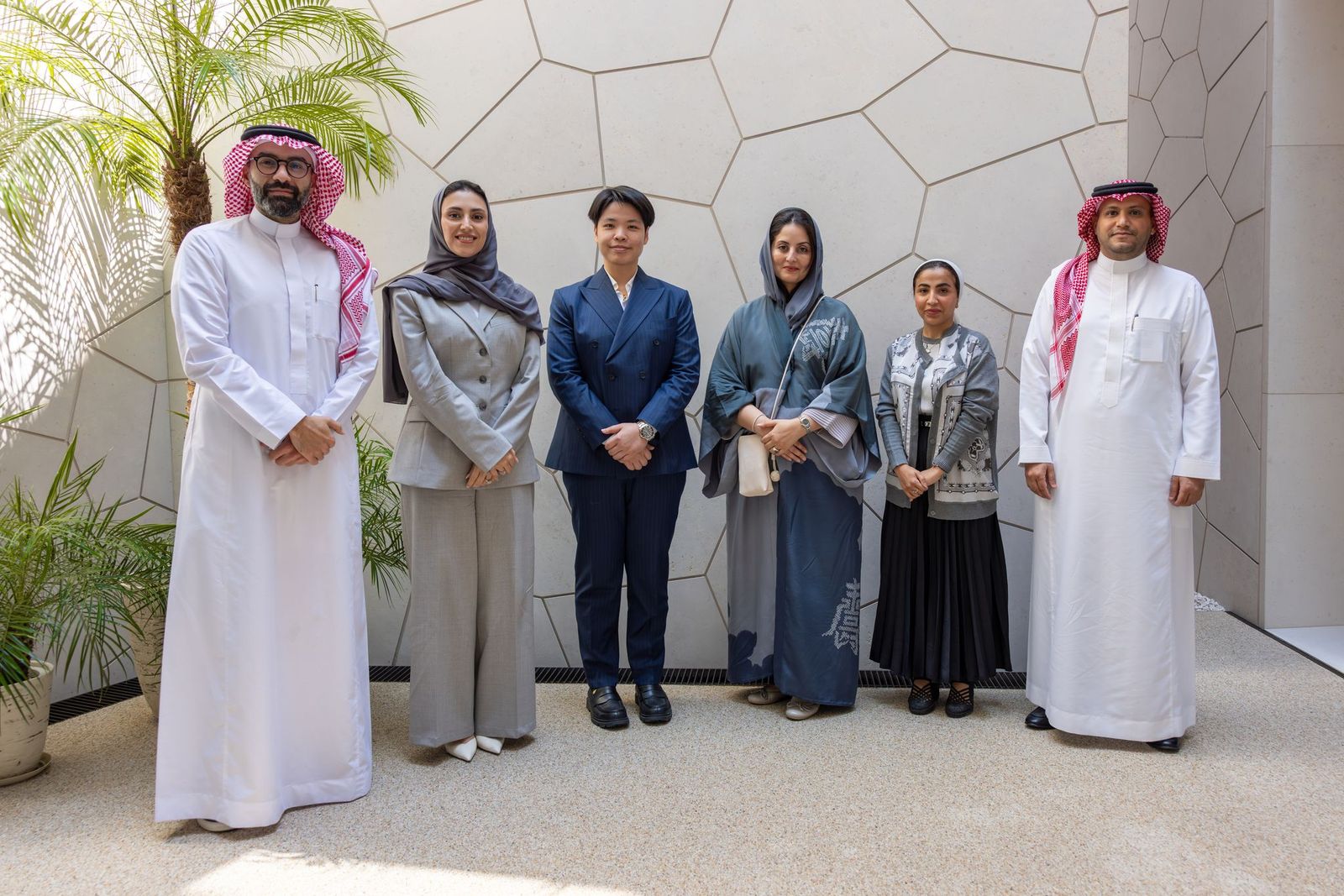
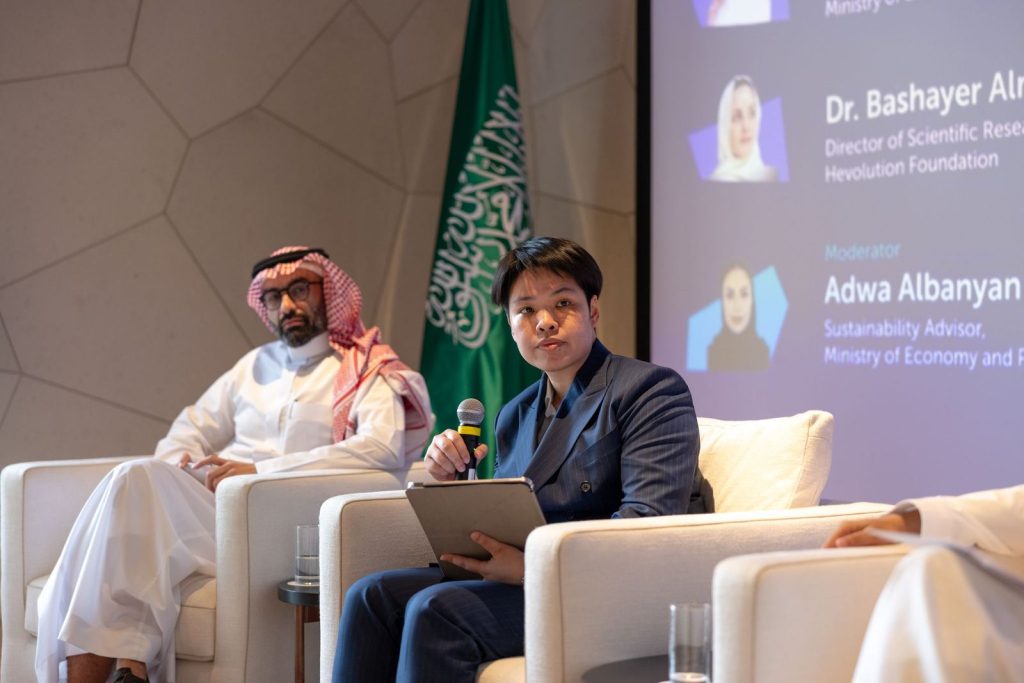
The Ministry of Economy and Planning of the Kingdom of Saudi Arabia (MEP) hosted a side event titled “Unlocking the Power of Data for Sustainable Development” at Expo 2025 in Osaka, Japan, on August 29, 2025. The event featured representatives from MEP, the Digital Government Authority of Saudi Arabia, the Hevelotion Foundation, and representatives from NESDC, who participated in discussions and exchanged ideas and experiences on using data and technology to drive sustainable development.
During the event, NESDC representatives presented a summary on Thailand’s mechanisms for driving the Sustainable Development Goals, including the development of Thailand’s SDG Roadmap covering six areas: awareness building, linking SDGs with the country’s three-level plans, sustainable development driving mechanisms, SDG implementation activities, development partnerships, and monitoring and evaluation of SDG implementation. The presentation emphasized the importance of using indicator data for monitoring and evaluating SDG progress, which is one of NESDC’s key responsibilities in driving the SDGs.
NESDC has conducted an assessment of SDG indicator data availability, finding that Thailand can collect data for 236 out of 248 SDG indicators. This dataset was displayed on Thailand’s SDGs Dashboard in February 2025. Additionally, NESDC, in collaboration with the National Statistical Office and the Ministry of Foreign Affairs, conducted a trend-to-target assessment of SDG progress to identify issues and challenges in Thailand’s SDG implementation. The assessment found that Goal 12 (Responsible Consumption and Production) has the highest proportion of indicators trending toward target achievement, followed by Goal 5 (Gender Equality), Goal 6 (Clean Water and Sanitation), and Goal 14 (Life Below Water) at similar levels. Meanwhile, Goal 2 (Zero Hunger) and Goal 8 (Decent Work and Economic Growth) have the highest proportion of indicators showing regression trends that can be assessed within the same goal, followed by Goal 15 (Life on Land) and Goal 17 (Partnerships for the Goals). Furthermore, representatives from Saudi Arabia discussed the development of an integrated database system for driving sustainable development, with key principles including access to reliable and transparent data, creating sustainable and cybersecurity-protected database systems, and preventing inappropriate data use. This includes applying health data, genetic data, and environmental data together with data from other fields to enhance research efficiency and
provide targeted and comprehensive solutions to development issues.
Strategy and International Cooperation Coordination Division
National Economic and Social Development Council


Related Documents