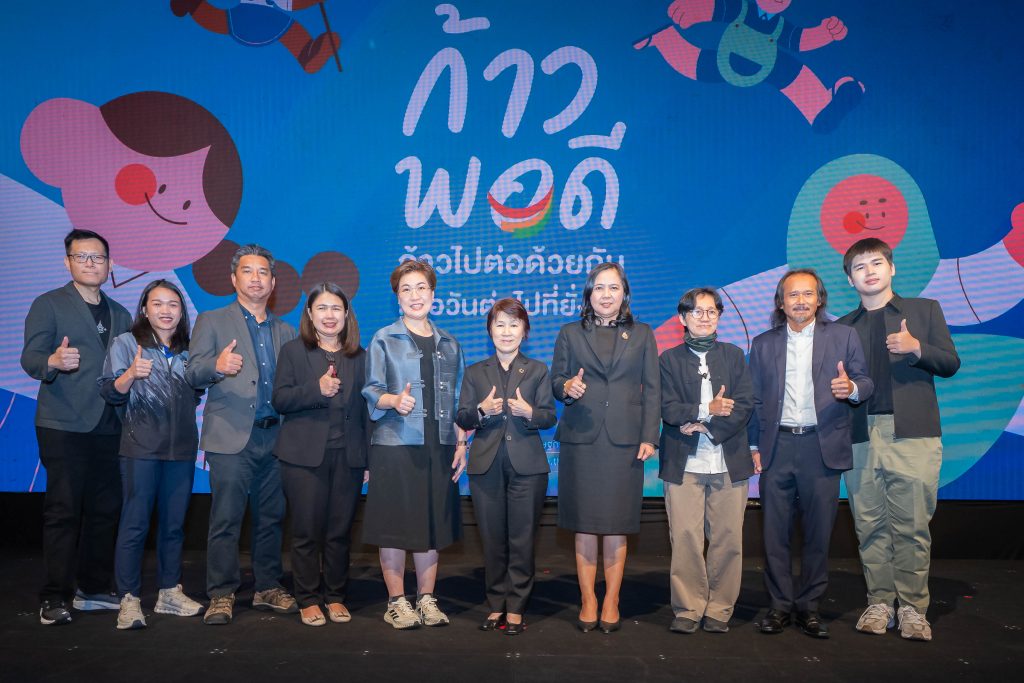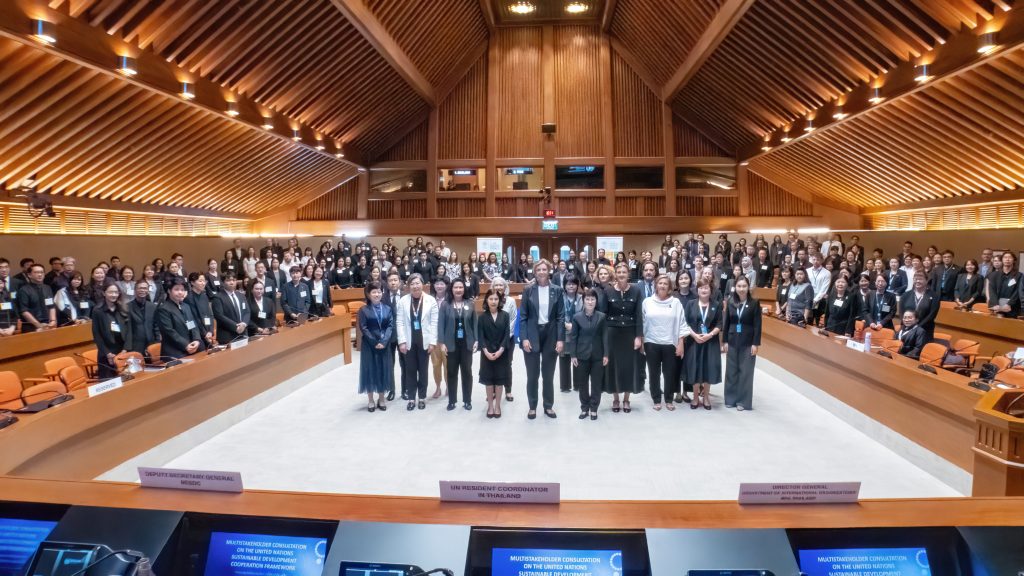
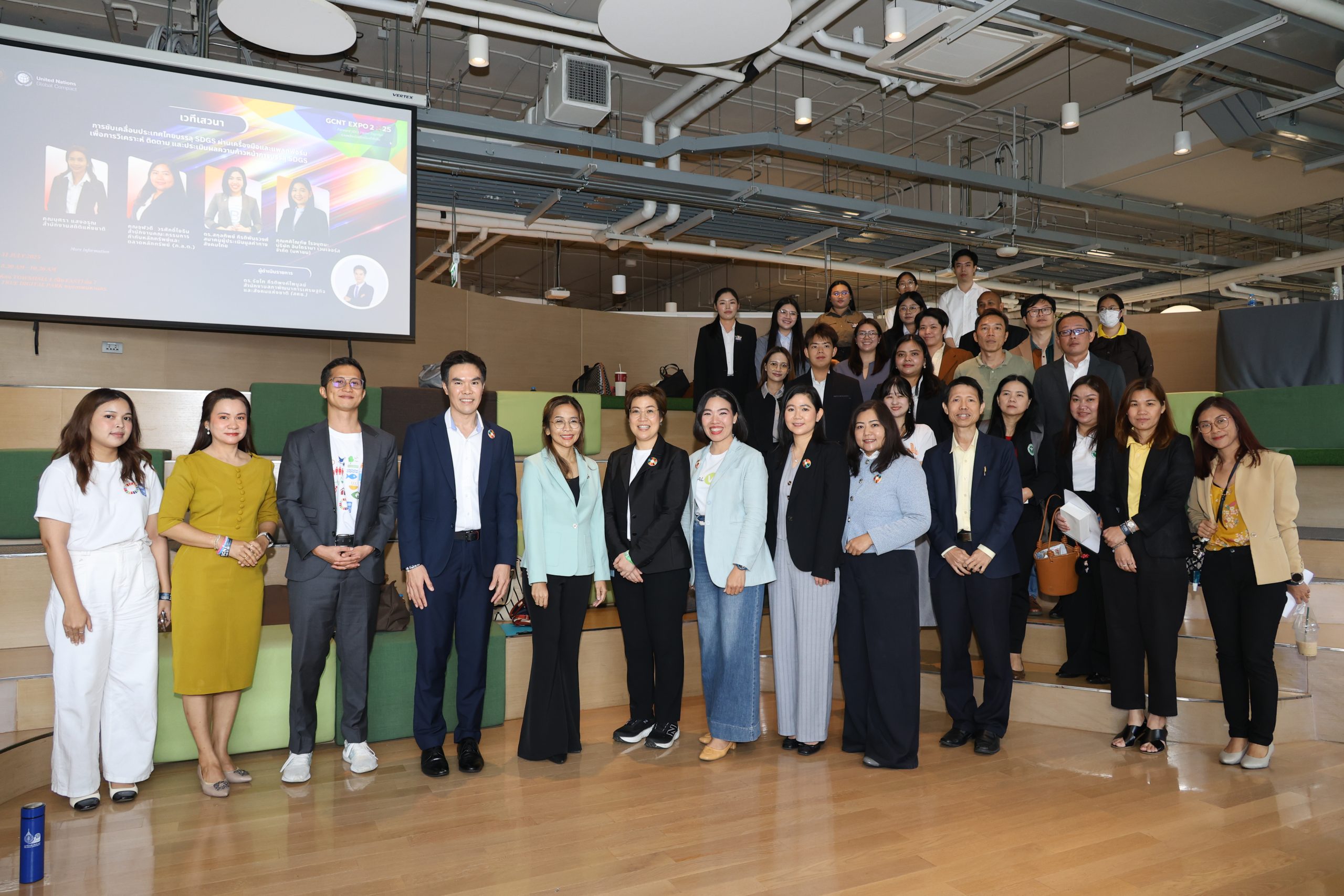
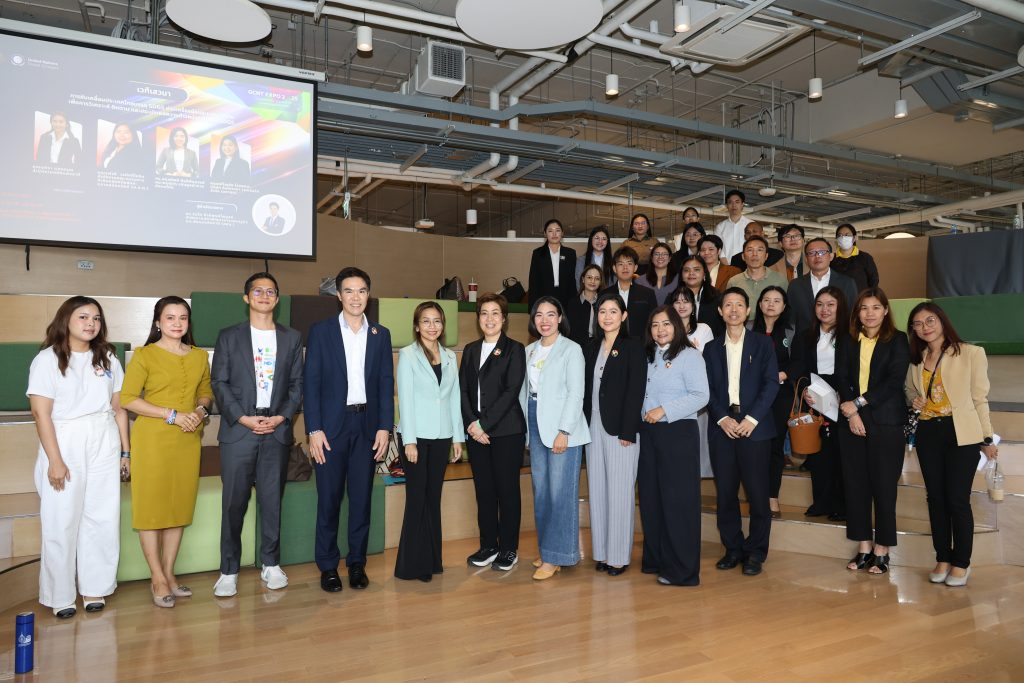
The National Economic and Social Development Council (NESDC), in collaboration with the Global Compact Network Thailand (GCNT), organized a panel discussion on the topic “Driving Thailand towards SDG Achievement through Tools and Platforms for Analysis, Monitoring, and Evaluation of SDG Progress” on July 31, 2025, from 9:00 AM to 11:00 AM at Townhall L Room (East Side), 7th Floor, True Digital Park which was one of the activities under the GCNT EXPO 2025: Forward SDGs Faster Together – Uniting Forces to Accelerate the Creation of a Sustainable World, held from July 29-31, 2025
The panel discussion aimed to acknowledge the progress of government agencies, private sector, and other sectors in driving towards SDG achievement, particularly in data collection and processing for reporting Thailand’s SDG progress. It also served as a platform for brainstorming and discussing integrated approaches to data compilation among government, private sector, and other sectors, specifically the collaborative development of a central platform capable of displaying operational progress towards SDG achievement.
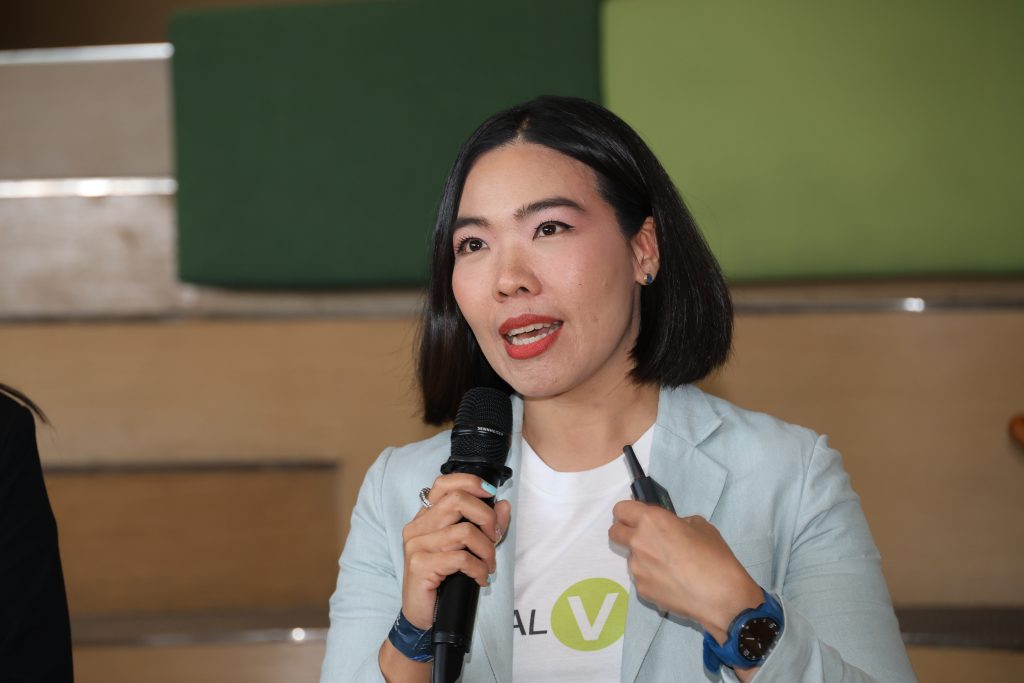
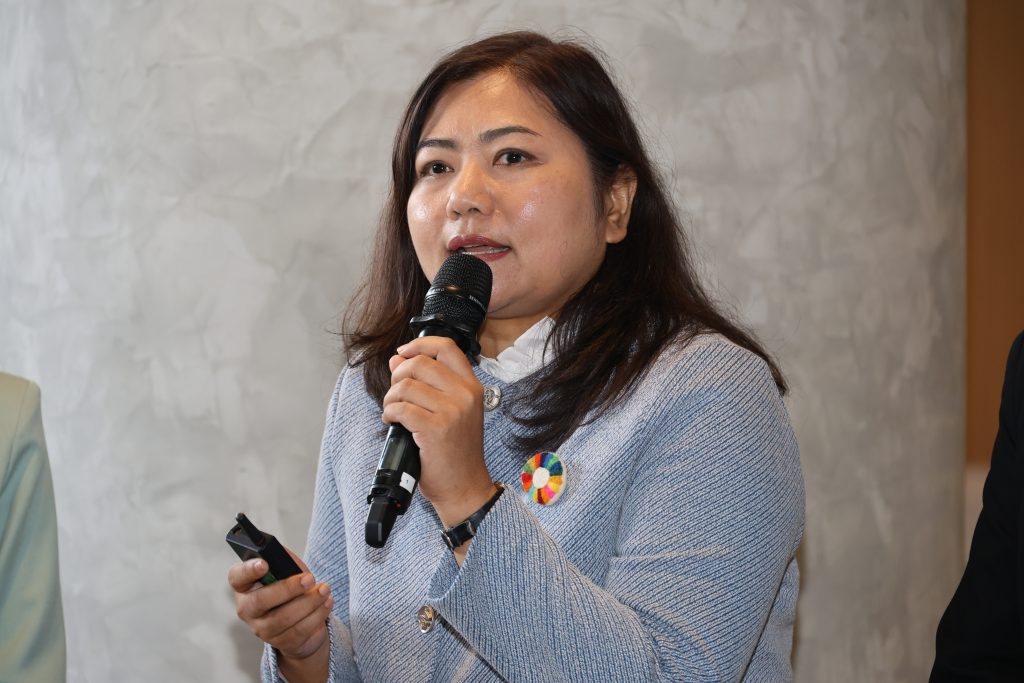
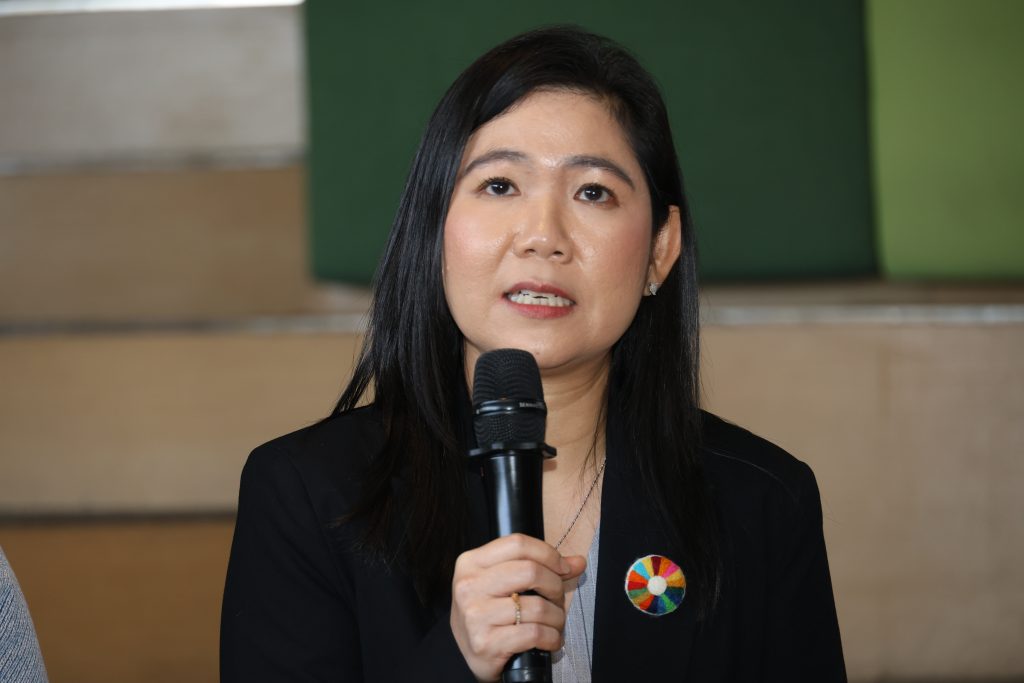
The event was honored by distinguished speakers from various sectors, including Ms. Busara Saeng-arun, Director of the Social Information Analysis and Development Group, National Statistical Office, Ms. Julawadee Worasakyothin, Director of the Sustainability Promotion Division, Securities and Exchange Commission Dr. Skulthip Keeratipanwong Board Member and Secretary-General of the Thai Social Value Assessment Association, and Ms. Sasinothai Rojanutama, Assistant Vice President for Sustainability at Indorama Ventures Public Company Limited, with Dr. Thatchai Keeratipongpaiboon, Director of the Strategy and International Cooperation Coordination Division, National Economic and Social Development Council, serving as moderator. This discussion attracted over 70 participants from government agencies, private sector, educational institutions, civil society, representatives from the United Nations High Commissioner for Refugees (UNHCR), and representatives from the United Nations Development Programme (UNDP).
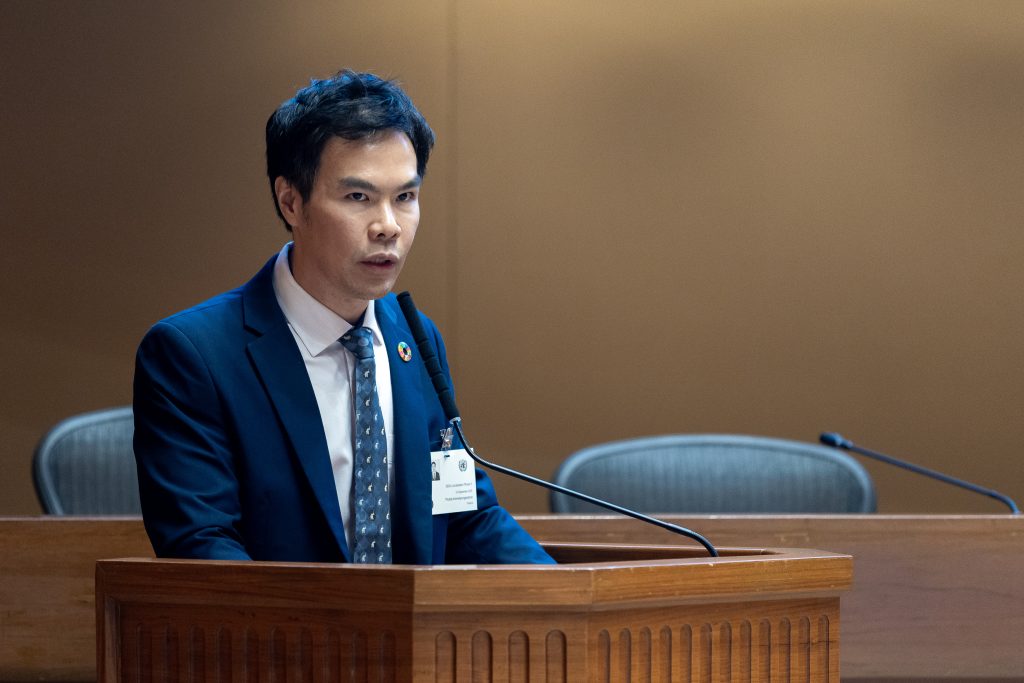
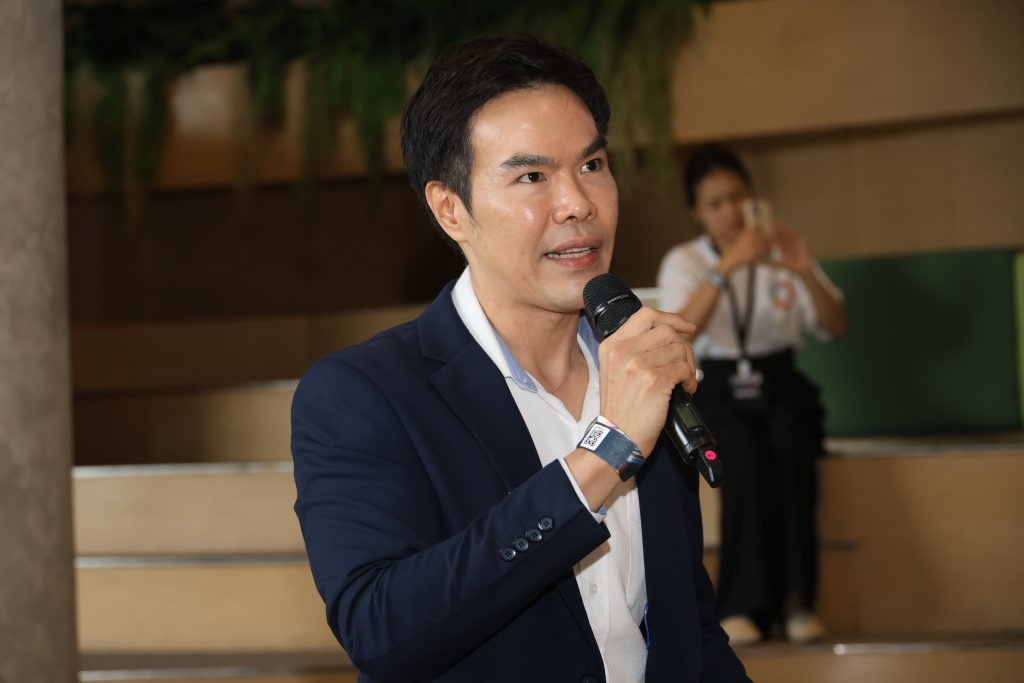
At the beginning of the forum, Dr. Thatchai Keeratipongpaiboon highlighted the changing global issues from health and equality in 2015 to digital, innovation, and cybersecurity concerns in 2025, while explaining the meaning of sustainability from AI analysis as development that does not impact future generations’ resources, emphasizing the balance between economy, society, and environment. Although Thailand has made progress in driving through the 20-Year National Strategy and SDGs, it still faces challenges with PM2.5, economic inequality, and unequal opportunities. Dr. Thatchai presented Thailand’s SDG Roadmap and SDGs Dashboard, which shows an overview of 248 indicators, finding that 4 goals are on track to achieve targets, while
3 goals show declining trends, reflecting the necessity for developing accurate, connected, and practically useful data tools and platforms for concrete progress monitoring.
Ms. Busara Saeng-arun, representative of the National Statistical Office (NSO), presented an overview of the National Statistical Office’s operations in its role of monitoring and reporting Thailand’s SDG data, emphasizing data collection that aligns with UN Metadata, including the development of tools and platforms for analyzing and monitoring SDG progress at the provincial level. The NSO plans to promote data exchange and utilization for decision-making, including developing a central platform for data exchange and dissemination regarding data security and efficiency, with a vision to apply modern technology to enhance comprehensive, accurate, and internationally standardized data capabilities, such as SDMX (Statistical Data and Metadata eXchange) technology that facilitates international data exchange and comparison, including the use of Big Data and satellite imagery for SDG progress monitoring. Ms. Busara concluded with issues regarding promoting and supporting cooperation among government, private sector, and international organizations in connecting data to international standards, using Citizen Generated Data and Big Data for SDG monitoring, and managing challenges related to privacy, data confidentiality, and ethics in data collection and utilization.
Ms. Julawadee Worasakyothin, representative of the Securities and Exchange Commission (SEC), presented an overview of the SEC’s role in promoting private sector integration of sustainable business practices alongside development according to Environmental, Social, and Governance (ESG) principles, emphasizing that private sector sustainability disclosure not only reflects organizational commitment to responsible development but also serves as an important tool for building stakeholder confidence, increasing access to green financing sources, and enhancing long-term risk management capabilities effectively. In driving the Sustainable Development Goals (SDGs), the SEC has supported and developed platforms displaying business sector participation in SDGs as tools for assessing, measuring, and monitoring business sustainability operations progress. Additionally, it has promoted access to sustainable development financing through tools such as the SDG Investor Map Platform, which serves as a platform connecting entrepreneurs seeking to invest in SDG-aligned businesses with investors wanting to support integrated sustainable investment. Finally, Ms. Julawadee emphasized the need for organizational capacity and skills to adapt and operate in alignment with all 17 goals effectively.
Dr. Skulthip Keeratipanwong from the Thai Social Value Assessment Association presented the topic “Accelerating Impact Partnership,” highlighting the dynamics of today’s world filled with complexity, inequality, and external impacts such as climate change, mental health issues, and distrust in core institutions, all affecting challenges in achieving SDGs. Based on declining SDG index data, combined with delays in carbon emission reduction and impacts from wars and pandemics, Dr. Skulthip proposed that achieving SDGs requires “Impact Partnership” built on inter-sectoral cooperation, adequate funding support, reliable data utilization, and systematic technology development for monitoring results. The “SDG Impact Actions (SIA)” strategic framework was proposed, consisting of 12 important steps from commitment, strategy integration, impact measurement and management, to data disclosure and governance under good governance frameworks, enabling organizations to systematically drive sustainability from internal to external. Furthermore, Dr. Skulthip highlighted the transition from ESG concepts, which focus on risk management, to creating measurable and manageable Impact through processes covering Inputs, Outputs, Outcomes to long-term impacts, referencing international standards from the Impact Management Project (IMP) that categorizes Impact into 5 dimensions: outcomes that occur (What), who receives outcomes (Who), scale, depth, duration of outcomes (How Much), organizational contribution (Contribution), and risk (Risk). Dr. Skulthip concluded that SIA will lead to creating partnerships towards achieving SDG IMPACT as follows: (1) identifying shared social achievement indicators as connection points between responsibility and cooperation, (2) social value, (3) shared potential, and (4) shared value (Win-Win-Win) that creates balance across economic, social, and environmental dimensions which requires understanding and cooperation between private sector and related sectors to identify SDG impact indicators in business operations.
Ms. Sasinothai Rojanutama from Indorama Ventures Public Company Limited presented the organization’s systematic approach and role in driving sustainability, beginning in 2010 through operational efficiency development, sustainability reporting, product life cycle assessment, and continuous environmental risk management. Currently, Indorama Ventures implements strategies towards Advanced Recycling, Coal Phase Out, and Carbon Capture technology adoption, including setting targets for using renewable raw materials in production processes. For monitoring and reporting results, Indorama Ventures has established an ESG data management system covering both internal organization and supply chain through digital platforms that collect quarterly data from each site worldwide, verified by the company’s sustainability team. Additionally, it follows SDG Impact Standards and practices from UNDP and SEC in establishing indicators linking SDGs with organizational performance indices, while preparing comprehensive impact reports covering environmental aspects, water risks, biodiversity, and transparent data disclosure on the organization’s sustainability website. Ms. Sasinothai emphasized that systematic ESG data utilization with internal verification is key to driving organizations towards sustainability and supporting concrete SDG achievement. The panel discussion on driving Thailand towards SDG achievement through tools and platforms for analysis, monitoring, and evaluation of SDG progress serves as a forum for creating shared understanding of the necessity for accurate, connected, and practically usable database systems as foundations for developing platforms and systems supporting Thailand’s and private sector’s SDG monitoring and evaluation operations concretely, representing another important step in inter-sectoral cooperation to drive and accelerate Thailand’s SDG monitoring and evaluation to achieve SDGs within the timeline.


Strategy and International Cooperation Coordination Division
National Economic and Social Development Council
Related Documents