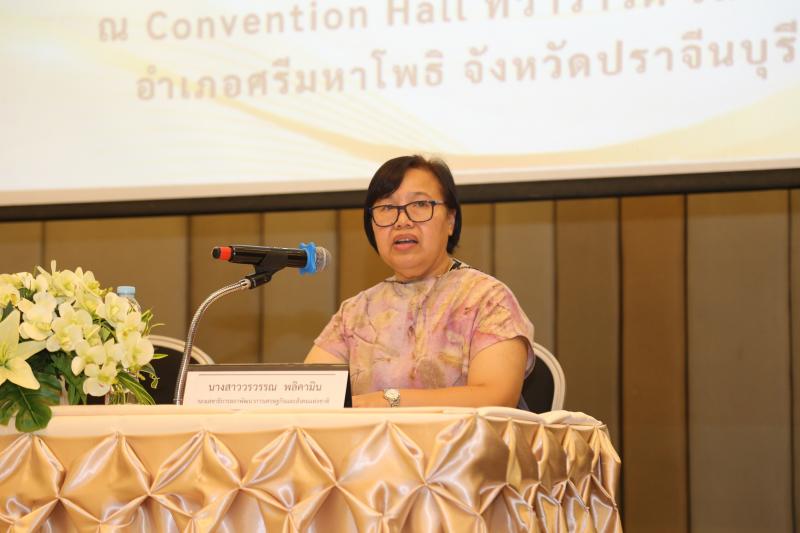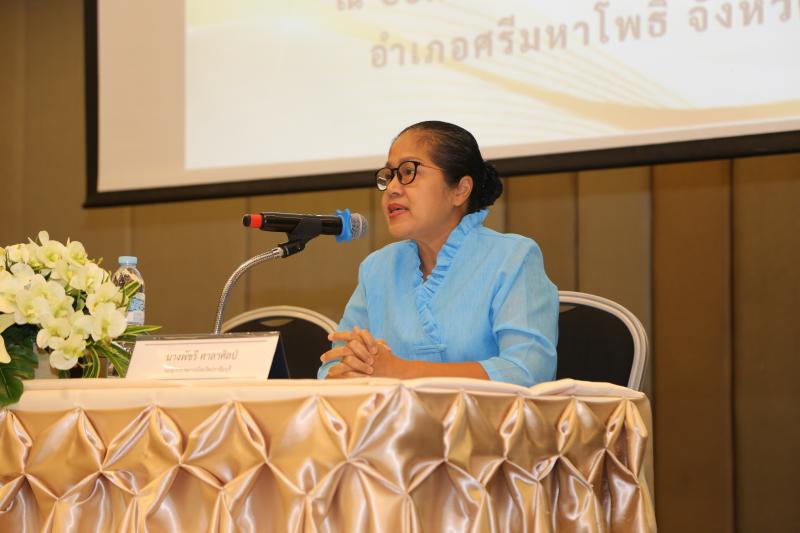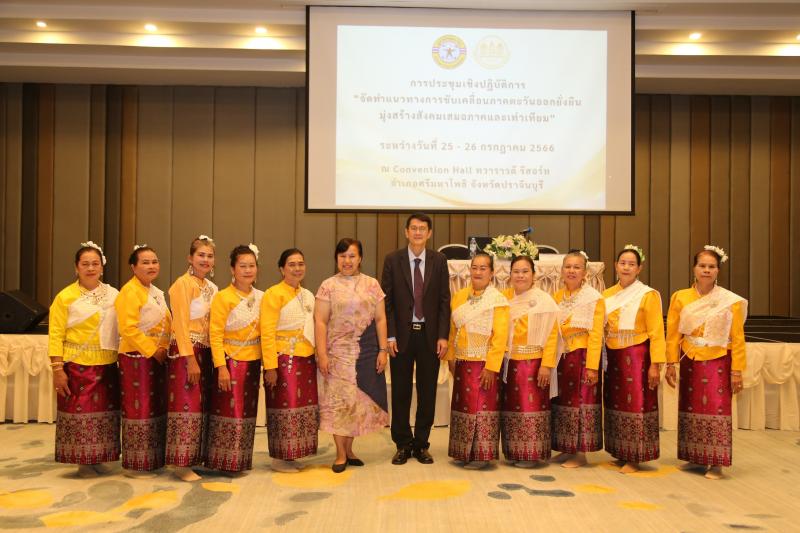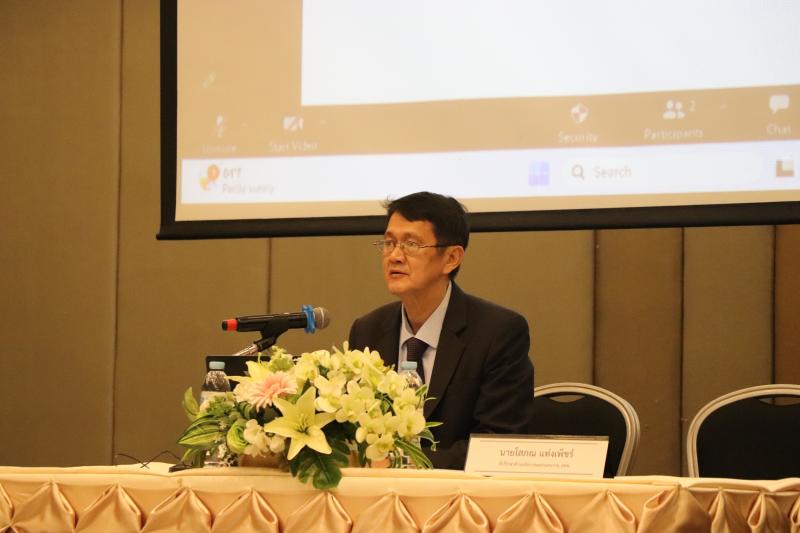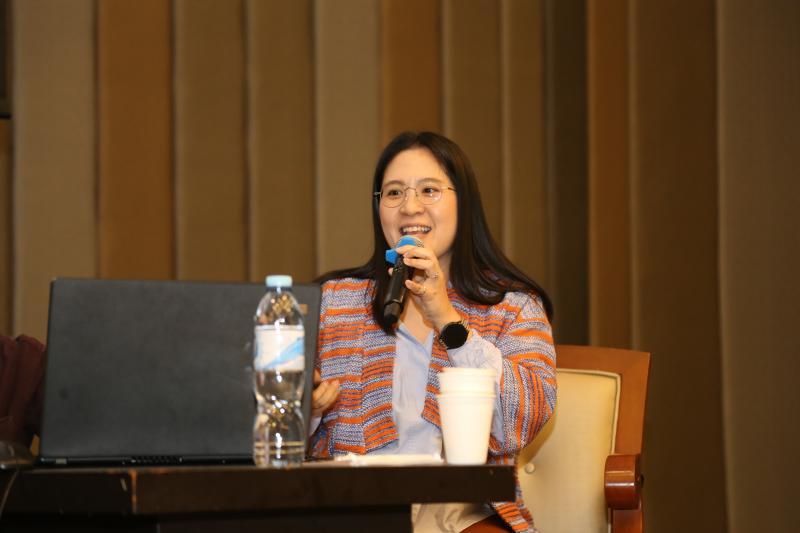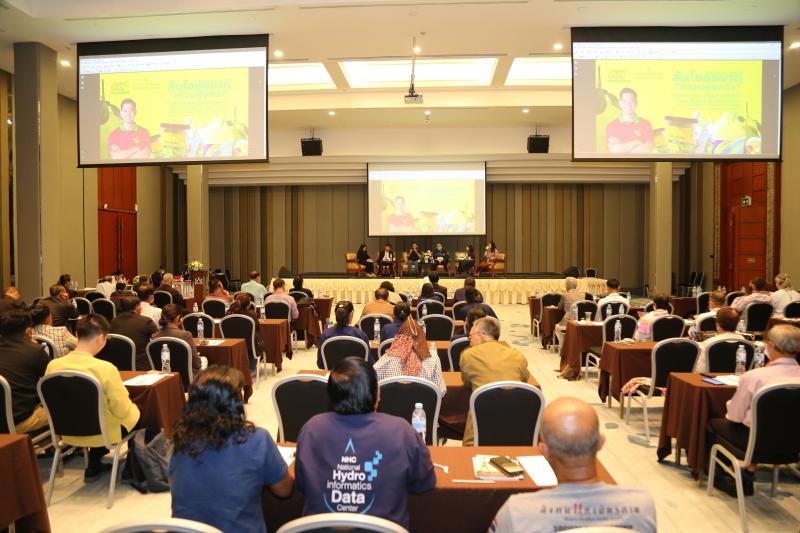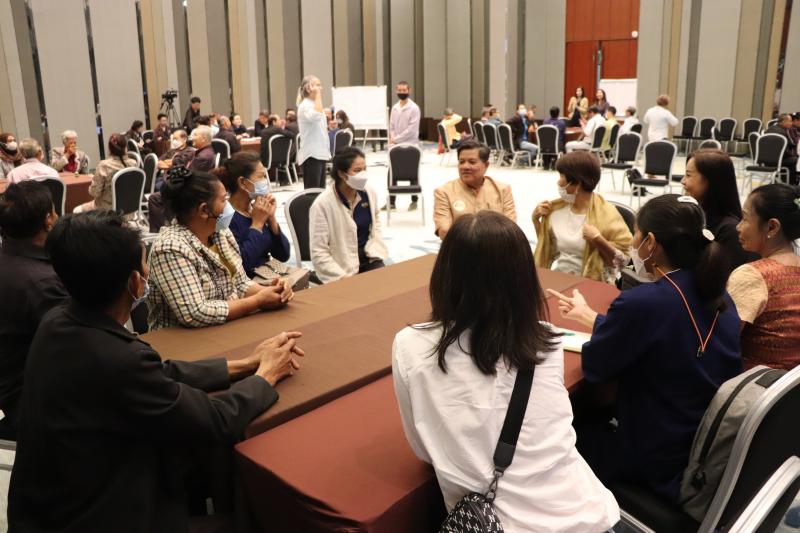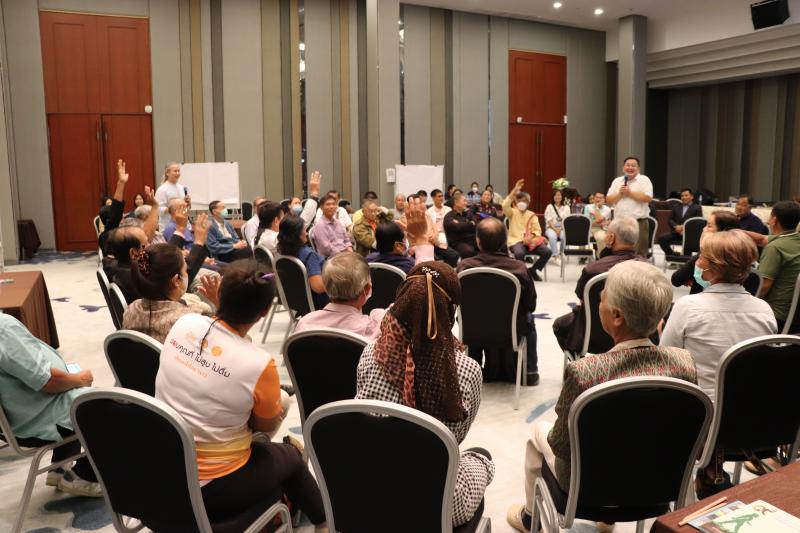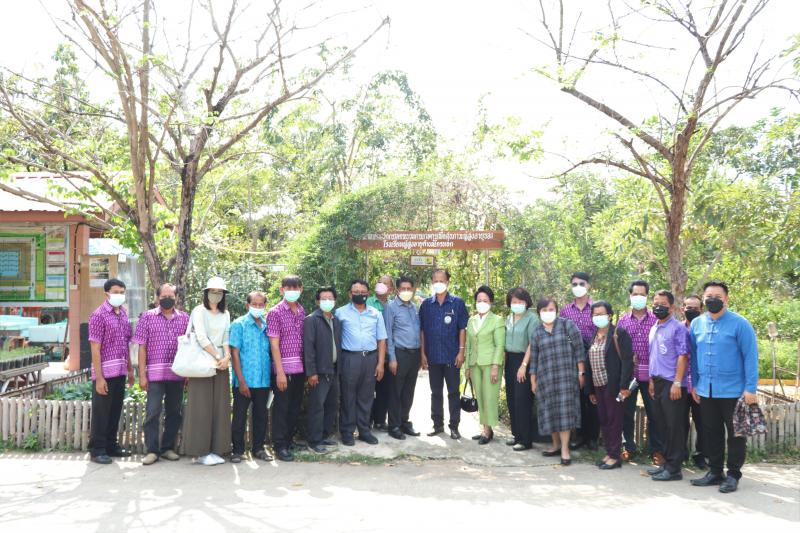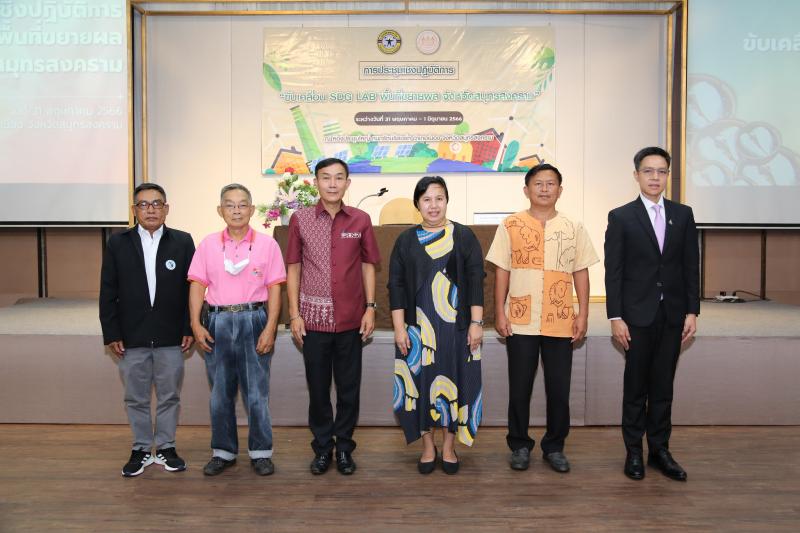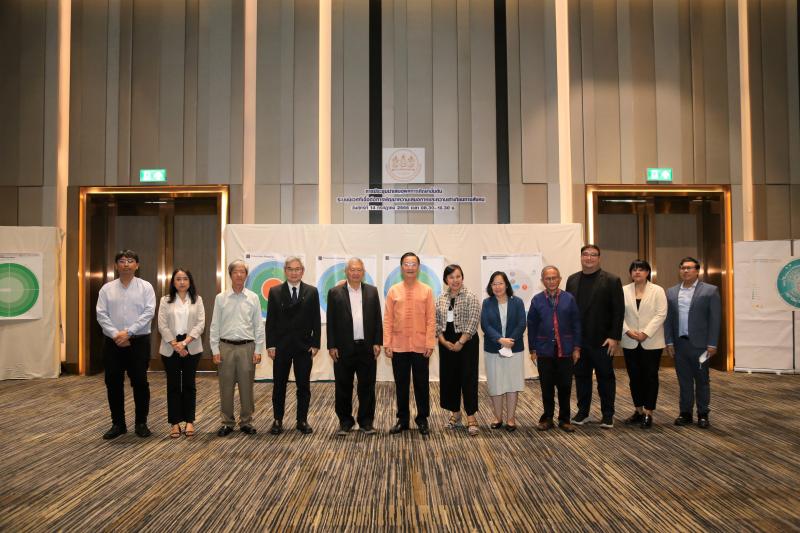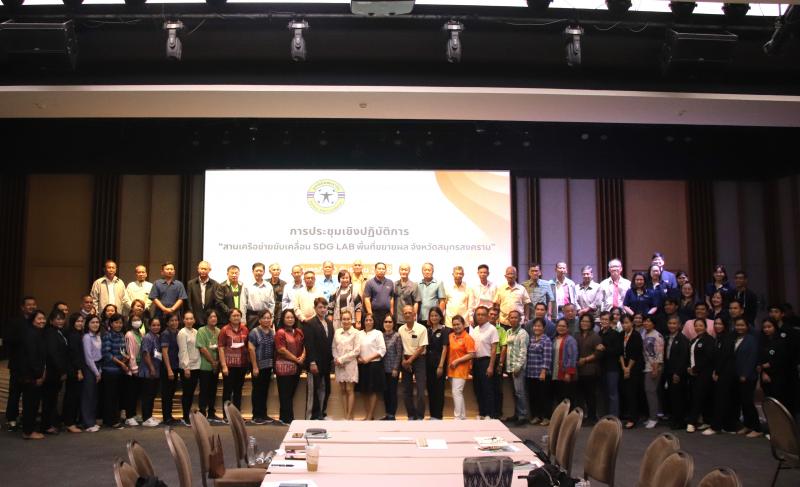
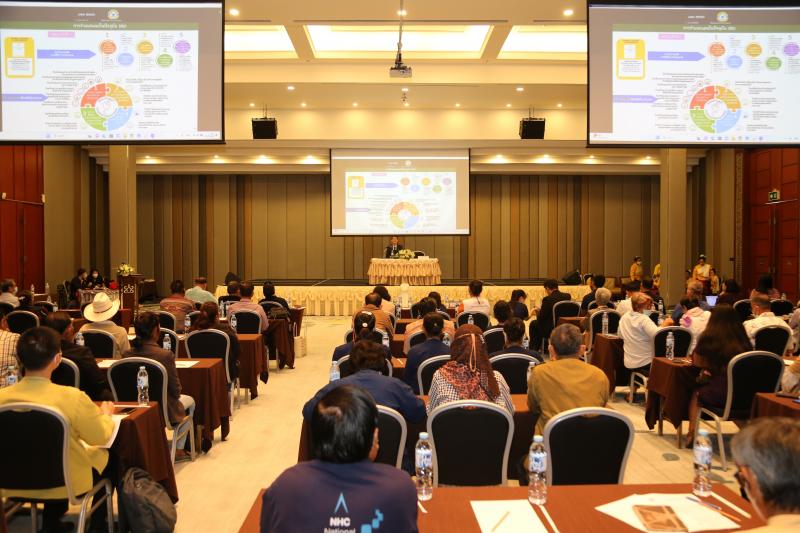
On July 25-26, 2023, the Social Equity and Equality Development Strategy Division, Office of the National Economic and Social Development Council (NESDC), in collaboration with the Pattana Thai Foundation (PTF), organized a workshop on “Developing Guidelines for Driving Sustainable Eastern Region Development, Aiming to Create an Equitable and Equal Society” at Tharawadee Resort, Sri Maha Pho District, Prachinburi Province. The workshop aimed to build knowledge and understanding about the 13th National Economic and Social Development Plan, regional development goals and guidelines for 2023-2027, and to decode key components for driving the Eastern SDG LAB that create an ecosystem conducive to collaborative development in the area. Ms. Worawarn Plikamin, Deputy Secretary-General of the National Economic and Social Development Council, presided over the opening ceremony, and the office was honored by Ms. Patcharee Salasil, Deputy Governor of Prachinburi Province, who delivered welcoming remarks. The conference featured a retro dance performance for health by elderly group members from the health network of Prachinburi Province, and an exhibition titled “Opening the Path to Sustainability: Eastern Way, Way of Happiness” presented by senior volunteers and development networks from 8 eastern provinces.
First Day Activities
The morning session included a lecture on the 13th National Economic and Social Development Plan: Goals and Guidelines for Eastern Region Development by Mr. Sophon Taengphet, Policy and Planning Advisor, who discussed the current three-level plan classification consisting of: Level 1 plans – National Strategy; Level 2 plans including Master Plans under the Strategy, National Economic and Social Development Plan, National Security Policy and Plan; and Level 3 plans related to area-level work including Regional Development Goals and Guidelines, 5-Year Provincial and Provincial Cluster Development Plans, and annual government operation plans for each province. The Eastern Region Development Goals and Guidelines for 2023-2027 aim to become “ASEAN’s leading green economic base coupled with good quality of life for the people,” with key development issues including: (1) Eastern Economic Corridor (EEC) focusing on developing modern digital infrastructure, promoting development and investment in 12 target industries (First S-curves and New S-curves), and upgrading quality of life and modern urban development; (2) Special Economic Zone (SEZ) developing and upgrading economic activities aligned with area potential, developing economic and social infrastructure, and managing natural resources and environment; (3) Human resource development to align with target industries and services by producing and developing workforce potential to align with industrial development and environmentally friendly production in the Eastern region that tends to use advanced technology, upgrading production capabilities and business operations of entrepreneurs in agriculture, processing industries, service and trade businesses, community enterprises, and developing and strengthening all sectors, especially people and communities in the area.
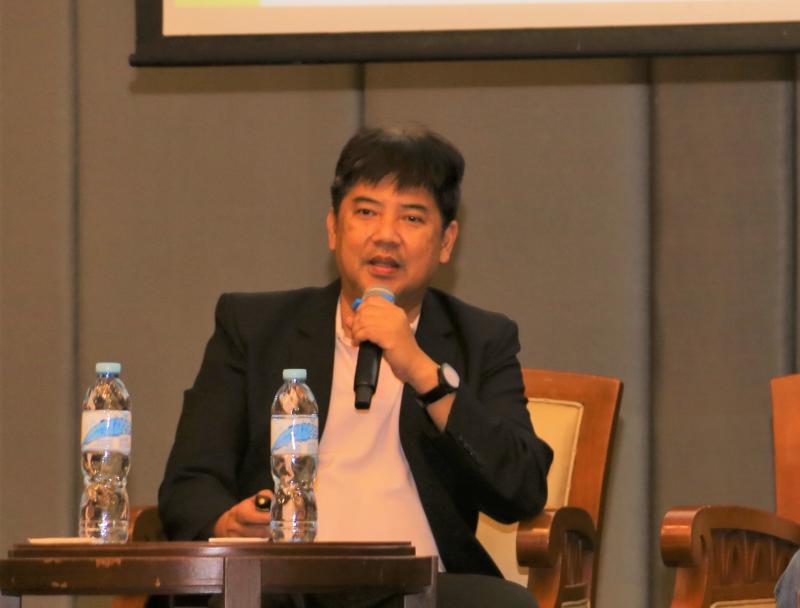
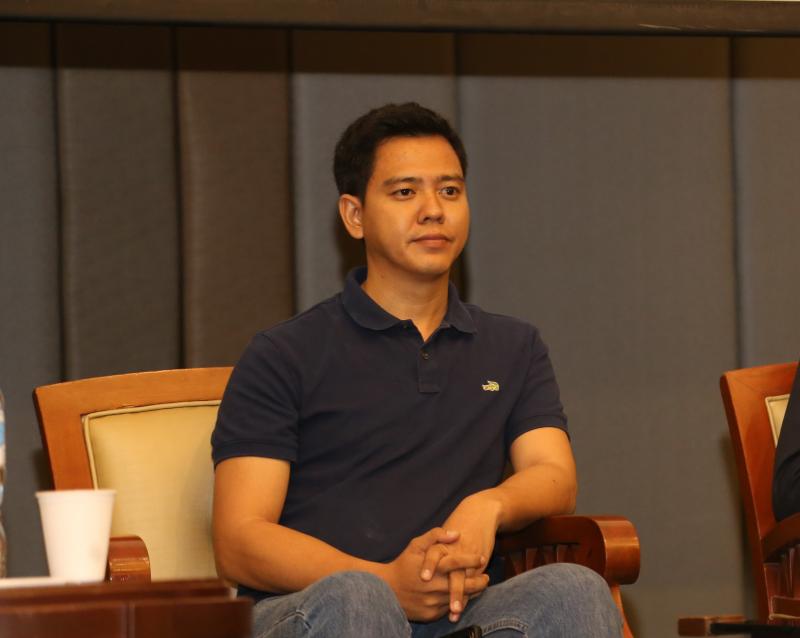
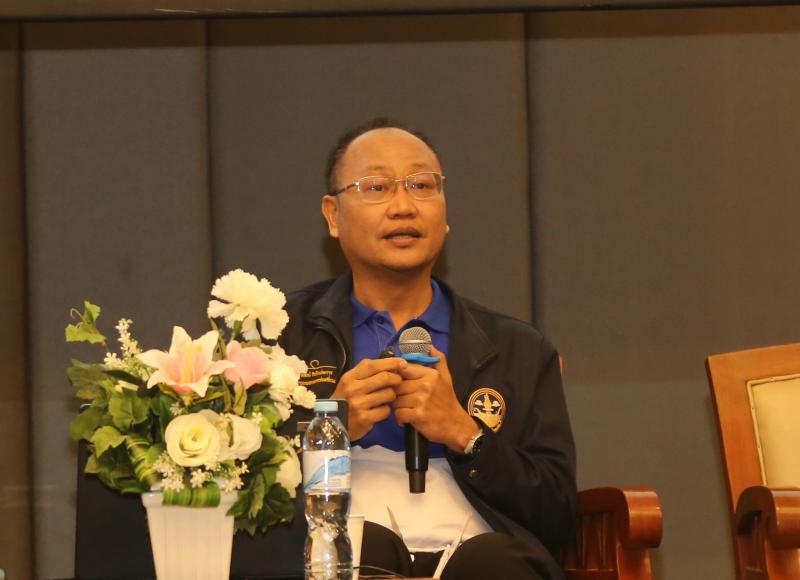
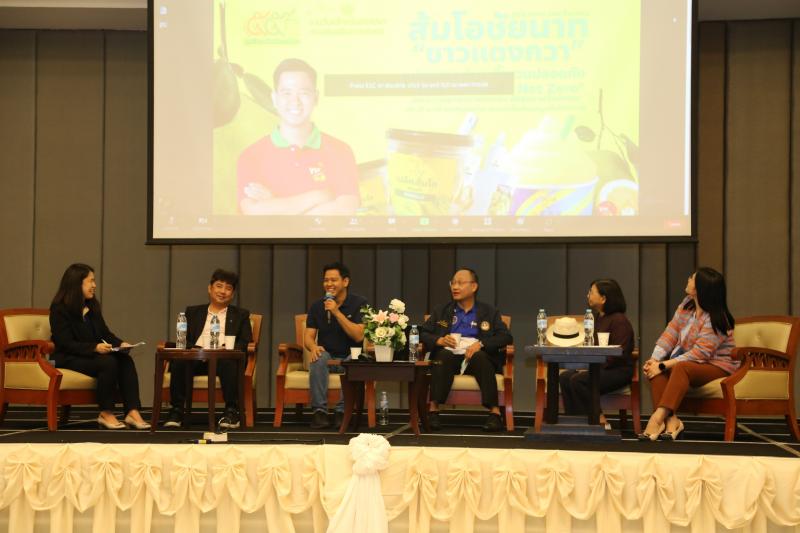
This was followed by a panel discussion on elevating development momentum “Think, Adjust, Create… New Landscape of Eastern Region Development Towards Sustainability” to raise awareness and understanding of changing contexts affecting the Eastern SDG LAB momentum, with the following panelists:
Dr. Kritsada Boonchai, Secretary-General of the Institute for Local Community Development presented changes in natural ecosystems resulting from global warming situations, which require adaptation to cope with emerging volatility. The important goal is sustainable environmental development alongside creating a just society. The Eastern region still maintains abundant natural ecosystems and strong social power, enabling transition and coordinated momentum for economic development coupled with environmentally friendly growth (Green Growth).
Mr. Sutthiphot Chuea-aphaiwong, Chairman of Community Enterprise, New Generation Farmer for Agricultural Product Processing in Chai Nat, a Young Smart Farmer, discussed Thailand’s food security situation and facing competition from foreign supply chains, necessitating the development of smart farming approaches using innovation and blockchain technology to increase efficiency in management and agriculture, as well as creating sustainable agricultural ecosystems at the community level and providing alternatives for food management for farmers.
Dr. Prakrong Saichan, Director of Community-Based Tourism Office, Designated Areas for Sustainable Tourism Development Administration (Public Organization) presented the new tourism situation emphasizing multi-sector cooperation and moving towards sustainable tourism, where community-based tourism serves as a mechanism for grassroots economic development and reducing poverty and inequality. Additionally, it promotes low-carbon tourism development and connects with Global Sustainable Tourism Criteria (GSTC) standards.
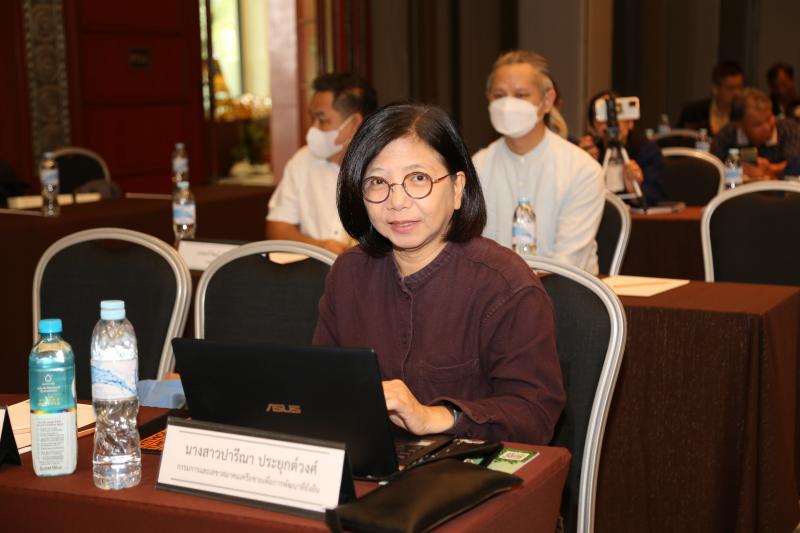
Ms. Pareena Prayukwong, Board Member and Secretary of the Network Association for Sustainable Development highlighted the impacts of climate change and creating livable cities, requiring cooperation from all sectors based on trust. Key factors include creating active citizens, civil society working together with volunteer citizen networks for society, and agencies driving sustainable livable cities, with provincial civil society funds as working mechanisms.
Ms. Montakarn Suwannatharapa Kittipaisalsilp, Cultural Project Management Officer, UNESCO Bangkok Office proposed the concept of culture-driven growth, which is a new development approach following the COVID-19 situation that emphasizes people-centeredness, with strategies aligned with contexts in each area, integrated policy-making linked to local cultural and community foundations. Key driving factors include using digital technology, having data for decision-making, creating cooperation from all sectors, promoting new social business models, developing workforce skills, and supporting sustainable development goals.
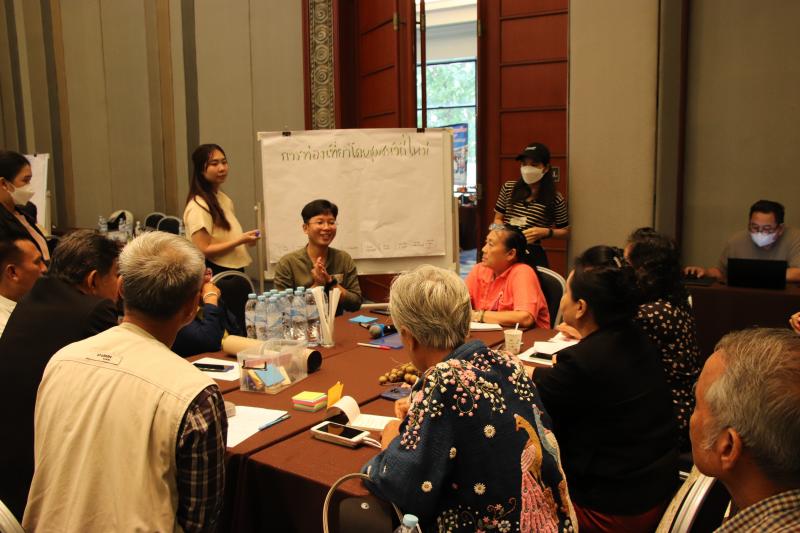
The afternoon session was a forum for brainstorming factors and driving forces for change in the Eastern region with Assistant Professor Paiboon Sophonsuwapha from the Faculty of Music and Performing Arts, Burapha University, Mr. Thawiwat Kamnerdphet from Bang Phloy Learning Group, and Mr. Kan Tattiyakul from Mitrarakbangpakong Group as process facilitators together with NESDC. The brainstorming results identified key factors and driving forces for change in the Eastern region as follows:
1) Transition to a complete aging society resulting in increased dependency ratios, with the working-age population having to bear greater burdens in caring for children and the elderly, along with accelerated EEC project implementation creating high demand for industrial workers, leading to labor migration from both domestic and international sources, resulting in resource competition in the area such as water, waste problems, and environmental destruction in the Eastern region.
2) Natural resource and environmental costs and declining production factors, while investment in the Eastern region still heavily depends on foreign countries in terms of investment capital, technology, and export markets, affecting the Eastern region’s economic development approach to achieve benefit distribution and sustainably upgrade community income through environmentally friendly growth.
3) Toxic waste/plastic waste from Eastern region development policies – surveys and projections of waste quantities in the EEC area by the Ministry of Natural Resources and Environment found that waste tends to increase from 9.41 million tons in 2017 to 20.08 million tons in 2037 if not properly managed. Additionally, the Eastern region faces climate change affecting agriculture and fisheries.
4) Rapid technological advancement in information technology, biotechnology, materials technology, and nanotechnology, providing the Eastern region opportunities to adjust production processes to meet diverse consumer demands, while lacking technology knowledge promotion for community members to use technology correctly and beneficially.
5) Public participation in policy formulation and development momentum and decentralization to local levels with balanced work-people-money distribution to enable area-level development and problem-solving that responds timely to situations and truly meets people’s needs.
6) Military role in Eastern region development including land use allocation, joint drug problem solving, maintaining peace, and promoting the application of sufficiency economy philosophy in communities.
Second Day Activities
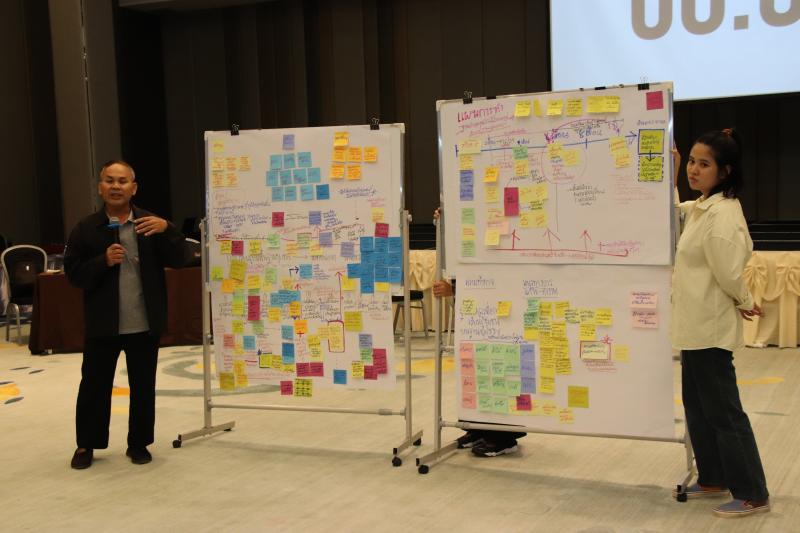
Brainstorming to decode SDG LAB momentum and create ecosystems conducive to developing social equity and equality at the area level, with Team Yangthon as process facilitators together with NESDC, resulting in 5 development working approaches as follows:
1) Development based on natural resources to create balanced and sustainable foundations by expanding work networks to include diversity in knowledge, expertise, and new generation groups, and developing work processes that create circulation of human resources and knowledge linking ecological work.
2) Moving towards modern agriculture, innovation for sustainable food security by creating Super Agriculture networks to gather and connect work between farmer networks in each Eastern province, organizing forums for exchanging learning about innovations, technology, and new knowledge to increase production efficiency based on limited available resources, and creating agricultural trial areas leading to agro-ecological tourism to increase income.
3) Sustainable livable city development by developing approaches to solve common urban problems in the Eastern region, including toxic waste and wild elephant intrusion, through coordination with relevant government agencies and local administrative organizations to address immediate problems timely and create participatory sustainable urban ecosystems.
4) New approach community-based tourism starting from connecting regional-level work through “experimental tourism groups” that coordinate tourism activities and exchange information between provinces, including area surveys of resources and tourist attractions in each province to create sustainable Eastern region tourism models.
5) Upgrading community-based learning by developing data collection methods to create working models at provincial and regional levels, with working committees connecting provincial-level working mechanisms and network alliances in each area through the Eastern Community Information Data Center network platform, and organizing learning processes at provincial level and regional learning exchange forums to extract lessons and expand Eastern region work results.
This conference not only supplemented data/knowledge, decoded key components of momentum, and developed approaches for driving the Eastern SDG LAB towards sustainability, but also served as a platform showcasing the power of senior volunteers from all 8 Eastern provinces as mechanisms linking work with various sectors, with NESDC and PTF as partners supporting the expansion of issue-based collaborative work aligned with area-level development goals to achieve sustainable Eastern region development results.
News: Social Equity and Equality Development Strategy Division
Photo: Methitiya Wongpakdee / Social Equity and Equality Development Strategy Division